How to Build Scalable AI Data Pipelines
Step-by-step guide to building production-ready data pipelines for machine learning.
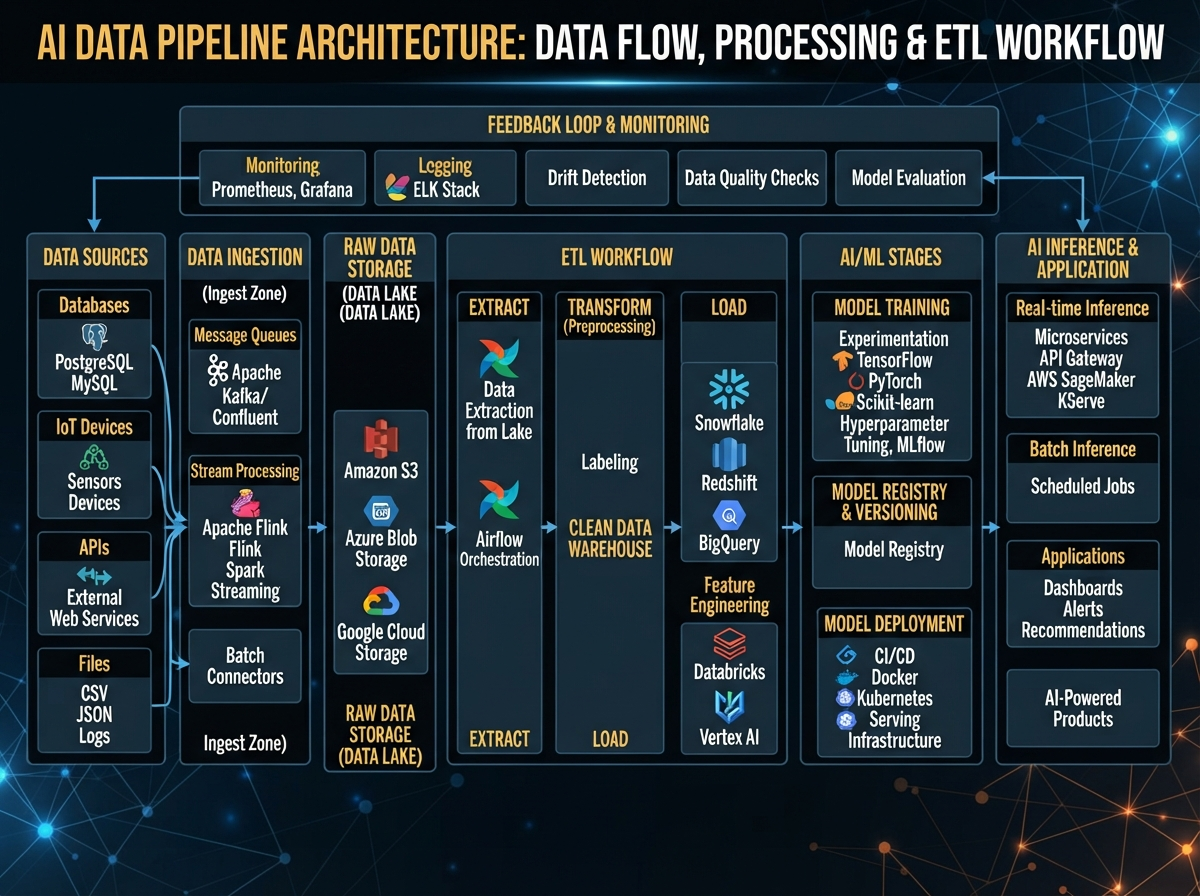
Data pipelines are the foundation of machine learning systems. This guide shows you how to build scalable, maintainable pipelines.
Architecture Overview
A complete data pipeline includes:
Data Sources → Ingestion → Processing → Validation → Storage → ML ModelStep 1: Define Data Requirements
Document what your model needs:
Data Requirements:
  - Source: User activity logs
  - Format: JSON
  - Volume: 1M records/day
  - Latency: Real-time
  - Schema:
    - user_id: string
    - action: enum
    - timestamp: datetime
    - metadata: object
Step 2: Implement Data Ingestion
From Databases
import pandas as pd
from sqlalchemy import create_engine

# Connect to database
engine = create_engine('postgresql://user:password@localhost/dbname')

# Read data
df = pd.read_sql_query('SELECT * FROM events', engine)
From APIs
import requests

def fetch_from_api(url, params):
    response = requests.get(url, params=params)
    data = response.json()
    return data
From Files
# Read CSV
df = pd.read_csv('data.csv')
Read JSON
df = pd.read_json(‘data.jsonl’, lines=True)
Read Parquet
df = pd.read_parquet(‘data.parquet’)
## Step 3: Data Processing

### Cleaning

```python
def clean_data(df):
    # Remove duplicates
    df = df.drop_duplicates()

    # Handle missing values
    df = df.fillna(method='forward_fill')

    # Remove outliers
    Q1 = df['value'].quantile(0.25)
    Q3 = df['value'].quantile(0.75)
    IQR = Q3 - Q1
    df = df[(df['value'] > (Q1 - 1.5 * IQR)) & (df['value'] < (Q3 + 1.5 * IQR))]

    return df
Transformation
def transform_data(df):
    # Convert types
    df['timestamp'] = pd.to_datetime(df['timestamp'])

    # Create features
    df['hour'] = df['timestamp'].dt.hour
    df['day_of_week'] = df['timestamp'].dt.dayofweek

    # Normalize
    from sklearn.preprocessing import StandardScaler
    scaler = StandardScaler()
    df[['value']] = scaler.fit_transform(df[['value']])

    return df
Step 4: Data Validation
def validate_data(df):
    # Check schema
    assert set(df.columns) == EXPECTED_COLUMNS

    # Check data types
    for col, dtype in EXPECTED_TYPES.items():
        assert df[col].dtype == dtype

    # Check for missing values
    assert df.isnull().sum().sum() == 0

    # Check value ranges
    assert (df['value'] >= MIN_VALUE).all()
    assert (df['value'] <= MAX_VALUE).all()

    return True
Step 5: Store Processed Data
# Store in Parquet (efficient)
df.to_parquet('processed_data.parquet')

# Store in database
df.to_sql('processed_events', engine, if_exists='append')

# Store in data warehouse
df.to_csv('s3://bucket/data/processed_data.csv')
Step 6: Orchestrate Pipeline
Using Apache Airflow:
from airflow import DAG
from airflow.operators.python import PythonOperator
from datetime import datetime

dag = DAG(
    'data_pipeline',
    default_args={'owner': 'ml_team'},
    schedule_interval='@daily',
    start_date=datetime(2026, 1, 1)
)

ingest_task = PythonOperator(
    task_id='ingest_data',
    python_callable=fetch_from_source,
    dag=dag
)

process_task = PythonOperator(
    task_id='process_data',
    python_callable=process_data,
    dag=dag
)

validate_task = PythonOperator(
    task_id='validate_data',
    python_callable=validate_data,
    dag=dag
)

ingest_task >> process_task >> validate_task
Step 7: Monitor Pipeline Health
class PipelineMonitor:
    def __init__(self):
        self.metrics = {}

    def record_metric(self, name, value):
        self.metrics[name] = value

    def check_health(self):
        # Check data freshness
        assert age_of_data < MAX_AGE

        # Check data completeness
        assert completeness > MIN_COMPLETENESS

        # Check data quality
        assert quality_score > MIN_QUALITY
Tools and Technologies
| Tool | Purpose | Use Case |
|---|---|---|
| Airflow | Orchestration | Complex workflows |
| Prefect | Orchestration | Modern/flexible |
| dbt | Transformation | SQL-based |
| Apache Spark | Processing | Large-scale |
| Pandas | Processing | Medium-scale |
Best Practices
- Idempotency: Pipeline can be re-run safely
- Monitoring: Track pipeline health continuously
- Error Handling: Graceful failures with alerts
- Documentation: Clear data lineage and ownership
- Version Control: Track schema changes
- Testing: Validate data at each step
- Incremental Processing: Only process new data
Scalability Considerations
- Volume: Use distributed systems (Spark, Dask)
- Velocity: Stream processing (Kafka, Flink)
- Variety: Handle multiple data formats
- Cost: Use cost-effective storage (S3, GCS)
Common Pitfalls
- No monitoring: Can’t detect data quality issues
- Hard-coded paths: Breaks with environment changes
- No error handling: Pipeline fails silently
- No data versioning: Can’t reproduce results
Conclusion
Well-designed data pipelines are essential for successful ML systems. Invest in proper architecture, monitoring, and tooling to ensure reliable data flow.
Sources & References
Data Processing Libraries
- Pandas Official Documentation - https://pandas.pydata.org/docs/
- SQLAlchemy Tutorial - https://docs.sqlalchemy.org/
- Apache Spark Documentation - https://spark.apache.org/docs/
- Dask Distributed Computing - https://dask.org/
Workflow Orchestration
- Apache Airflow - https://airflow.apache.org/
- Prefect Data Workflows - https://docs.prefect.io/
- Dagster - https://docs.dagster.io/
Best Practices & Learning
- Real Python Data Engineering - https://realpython.com/
- Kaggle Datasets & Code - https://www.kaggle.com/
- Data Engineering Weekly - https://www.dataengineeringweekly.com/
Related Articles
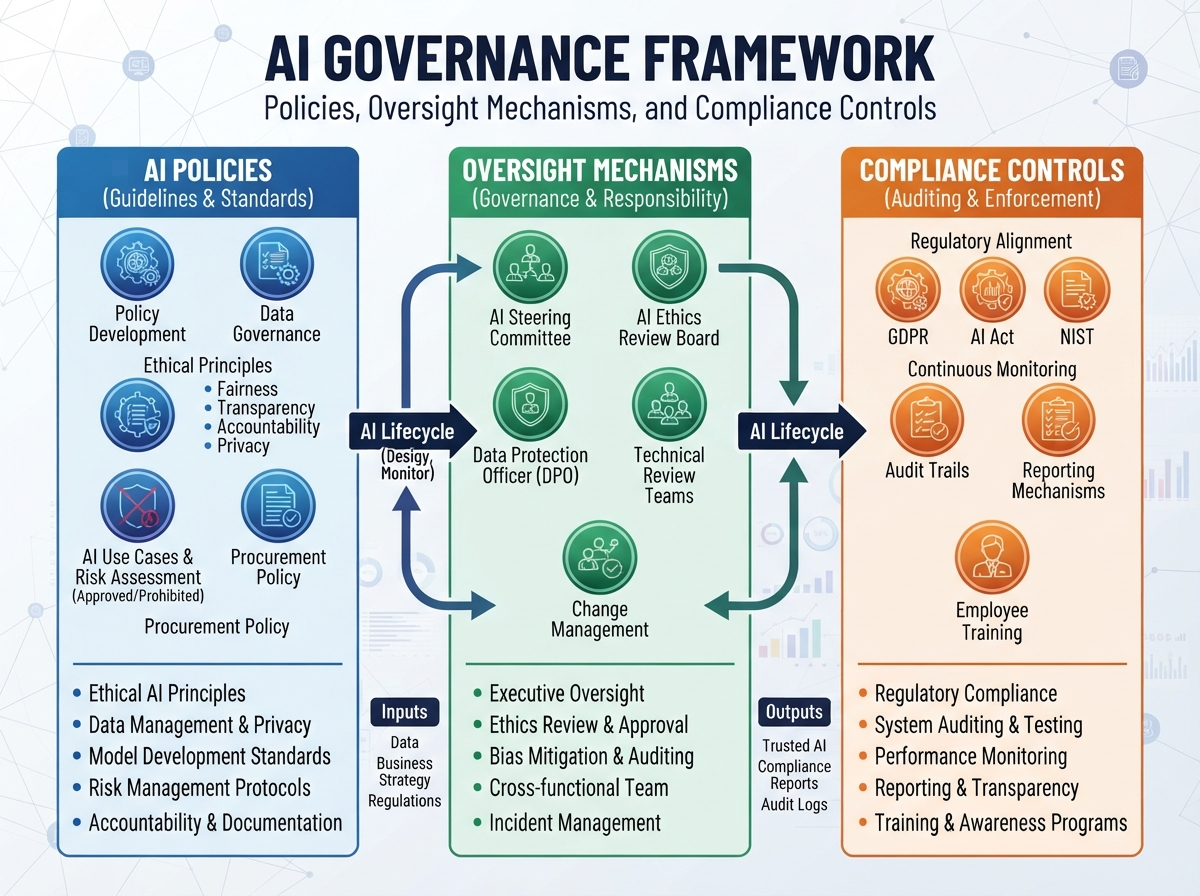
How to Implement AI Governance Frameworks
Comprehensive guide to establishing governance policies and oversight for AI systems.
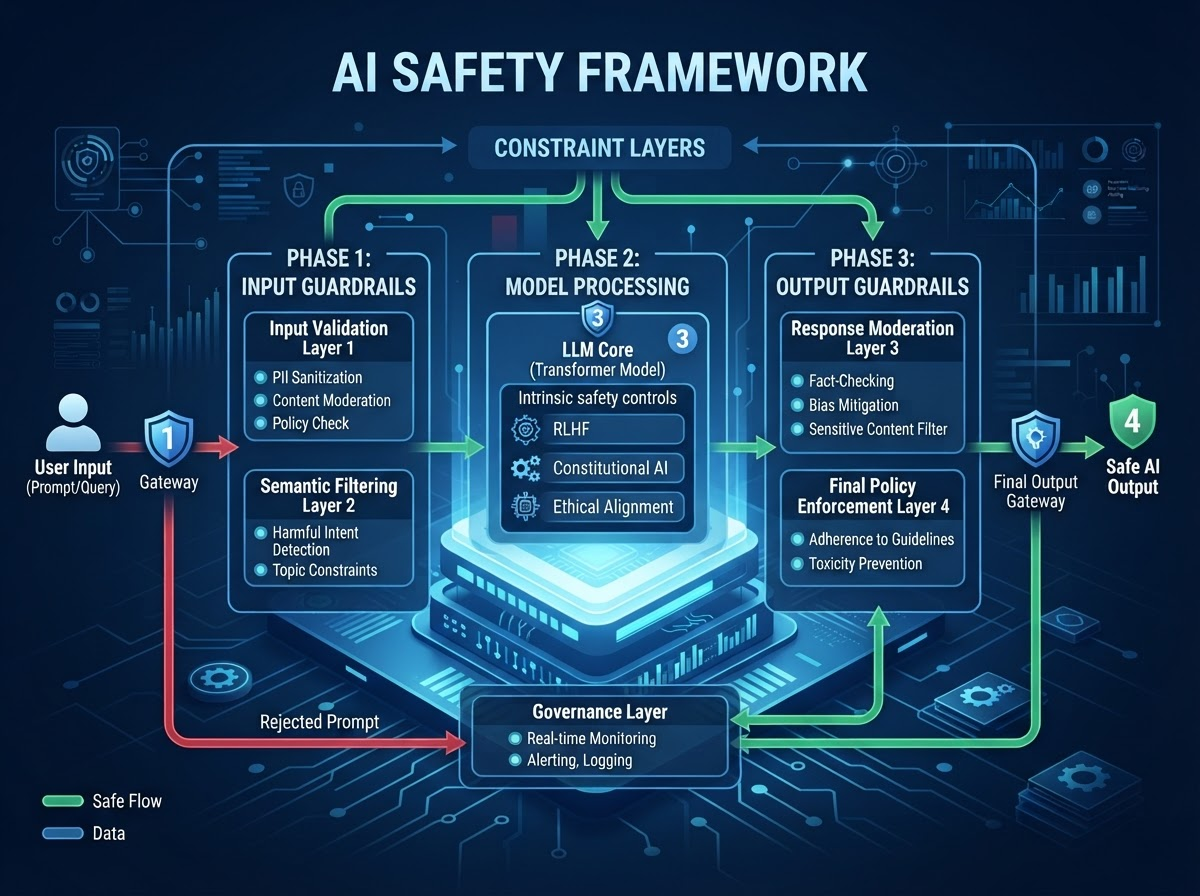
How to Build and Test AI Safety Guardrails
Practical guide to implementing safety constraints and testing mechanisms for AI systems.
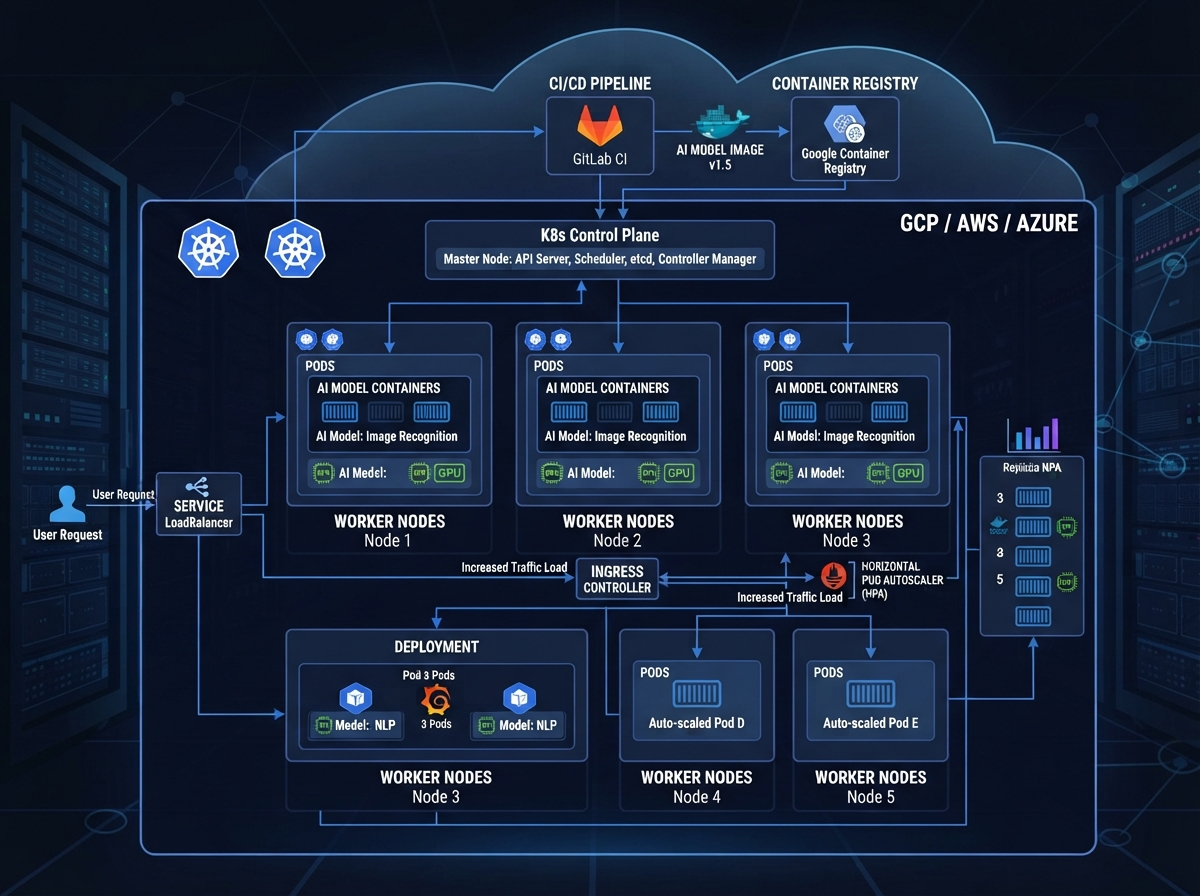
How to Deploy AI Models on Kubernetes
Complete guide to containerizing and deploying AI models using Kubernetes.